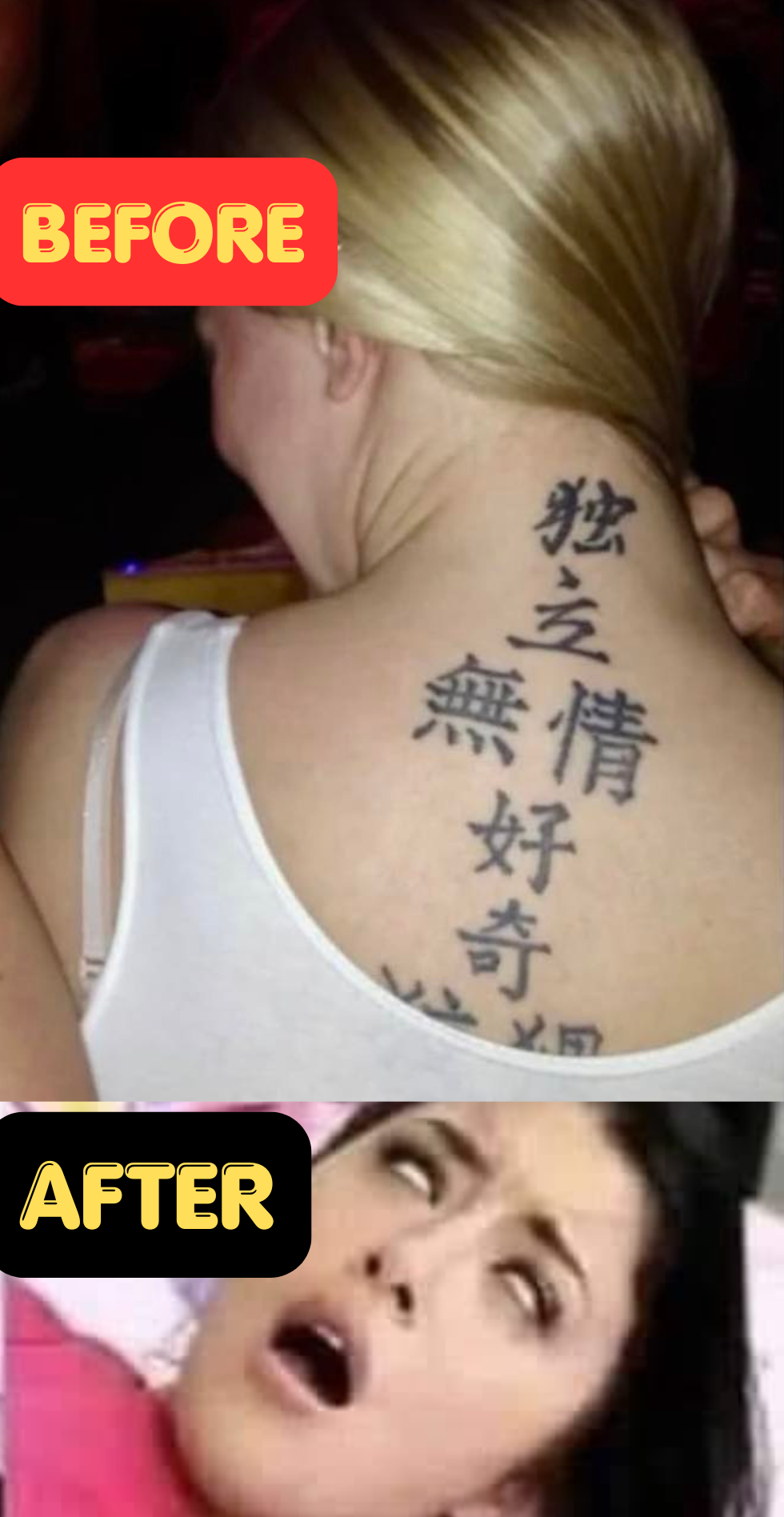

In today’s world, tattoos are more than just body art—they are powerful symbols of identity, culture, and personal storytelling. Nowhere is this transformation more visible than in California, a place known for shaping global trends in fashion, entertainment, and self-expression. What was once considered rebellious or taboo has become mainstream, accepted, and even celebrated. But this shift didn’t happen by accident. Tattoos have grown into a cultural force that reflects deeper changes in society—especially in how people define themselves.

From Taboo to Trend: The Cultural Shift
Historically, tattoos in the United States were often associated with outsiders—sailors, bikers, prisoners, or underground subcultures. For decades, having visible tattoos could limit job opportunities or lead to social judgment. But over time, especially in culturally influential states like California, these perceptions began to change.
Cities like Los Angeles and San Francisco played a major role in this shift. Known for their diversity and openness, these cities became hubs where artists, musicians, and creatives embraced tattoos as a form of personal expression. As celebrities and public figures began showing off their ink, tattoos slowly moved from the margins into the spotlight.
Today, tattoos are no longer a sign of rebellion alone—they are part of mainstream identity. You’ll find tattooed professionals in offices, teachers in classrooms, and entrepreneurs building businesses, all proudly displaying their ink.
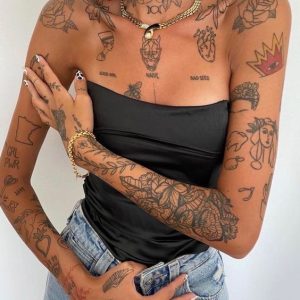
Tattoos as Personal Storytelling
One of the biggest reasons tattoos matter today is their role in storytelling. In a fast-paced digital world where people often present curated versions of themselves online, tattoos offer something more authentic and permanent.
In California especially, where individuality is highly valued, tattoos often represent:
- Personal journeys (overcoming struggles, growth, transformation)
- Cultural heritage (symbols tied to ancestry and identity)
- Emotional connections (family, love, loss)
Unlike a social media post that can be deleted, a tattoo becomes part of someone’s lifelong narrative. It’s a visible reminder of who they are and what they’ve experienced.
The Influence of Art and Creativity
California has long been a global center for creativity, and tattoo culture reflects that. The state is home to some of the most innovative tattoo artists in the world, pushing boundaries in style, technique, and meaning.
Tattooing is no longer just about simple designs—it has evolved into a respected art form. Styles like realism, watercolor, fine-line, and blackwork have turned skin into a living canvas. In places like Los Angeles, tattoo studios often feel like art galleries, where clients collaborate with artists to create something unique and deeply personal.
This artistic evolution has helped legitimize tattoos in the eyes of the public. What was once seen as rough or unrefined is now appreciated as skilled craftsmanship.
Technology and Safety: Changing the Game
Another reason tattoos have become more widely accepted is the improvement in technology and safety standards. Modern tattoo equipment, sterilization practices, and high-quality inks have made the process safer and more accessible than ever.
In California, strict health regulations ensure that tattoo studios follow proper hygiene practices. This professionalism has helped remove some of the stigma that once surrounded tattoos.
Additionally, advancements in laser removal technology have made tattoos less “permanent” than they once were. While still a serious commitment, the possibility of removal gives people more confidence to make that choice.
Social Media and the Rise of Tattoo Culture
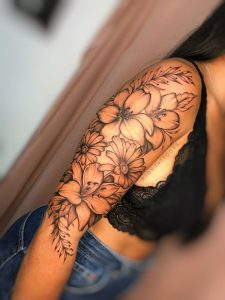
The rise of platforms like Instagram and TikTok has played a huge role in popularizing tattoos. Artists can now showcase their work to global audiences, and individuals can share their personal stories behind each piece of ink.
California-based artists, in particular, have benefited from this exposure, often gaining international recognition. Viral tattoo trends spread quickly, influencing styles and preferences around the world.
Social media has also normalized tattoos by making them more visible. When people see tattoos regularly in their feeds—on influencers, celebrities, and everyday individuals—they become less controversial and more accepted.
Tattoos and Identity in a Diverse Society
California is one of the most diverse states in the U.S., and this diversity is reflected in its tattoo culture. People from different backgrounds use tattoos to express their identity, beliefs, and heritage.
For some, tattoos are a way to reconnect with cultural roots. For others, they’re a form of personal empowerment—taking control of their own body and how they present themselves to the world.
In a society that increasingly values individuality, tattoos offer a way to stand out while also belonging to a broader cultural movement. They represent freedom—the freedom to define yourself on your own terms.
The Workplace Evolution
One of the clearest signs that tattoos are a big deal in the modern world is their growing acceptance in professional environments. In the past, visible tattoos could be a barrier to employment. Today, especially in progressive areas like California, that’s changing rapidly.
Many companies now focus more on skills and performance than appearance. In creative industries, tattoos are often seen as a positive expression of individuality. Even in more traditional fields, attitudes are shifting as younger generations enter the workforce with different values.
This change reflects a broader cultural movement toward inclusivity and acceptance.
Controversy Still Exists
Despite their growing popularity, tattoos are not universally accepted. In some cultures and communities, they still carry negative associations. Even within the United States, attitudes can vary depending on location, age group, and profession.
In California, while acceptance is high, debates still exist around visible tattoos in certain settings, such as corporate environments or formal institutions. This tension highlights an important point: tattoos are still evolving as a social norm.
Why Tattoos Matter Today
Tattoos are a big deal in the modern world because they represent something deeper than appearance. They reflect:
- A shift toward individual expression
- The blending of art and identity
- The influence of technology and social media
- Changing attitudes toward freedom and self-definition
In a place like California, these elements come together to create a culture where tattoos are not just accepted—they’re celebrated.
Conclusion: More Than Just Ink
Tattoos have transformed from symbols of rebellion into symbols of identity, creativity, and personal freedom. In modern society—especially in culturally influential states like California—they represent a new way of understanding the self.
They are permanent, yet evolving. Personal, yet widely shared. Simple in form, yet deeply complex in meaning.
In the end, tattoos matter because people matter—and tattoos are one of the most honest ways people choose to tell their stories to the world.