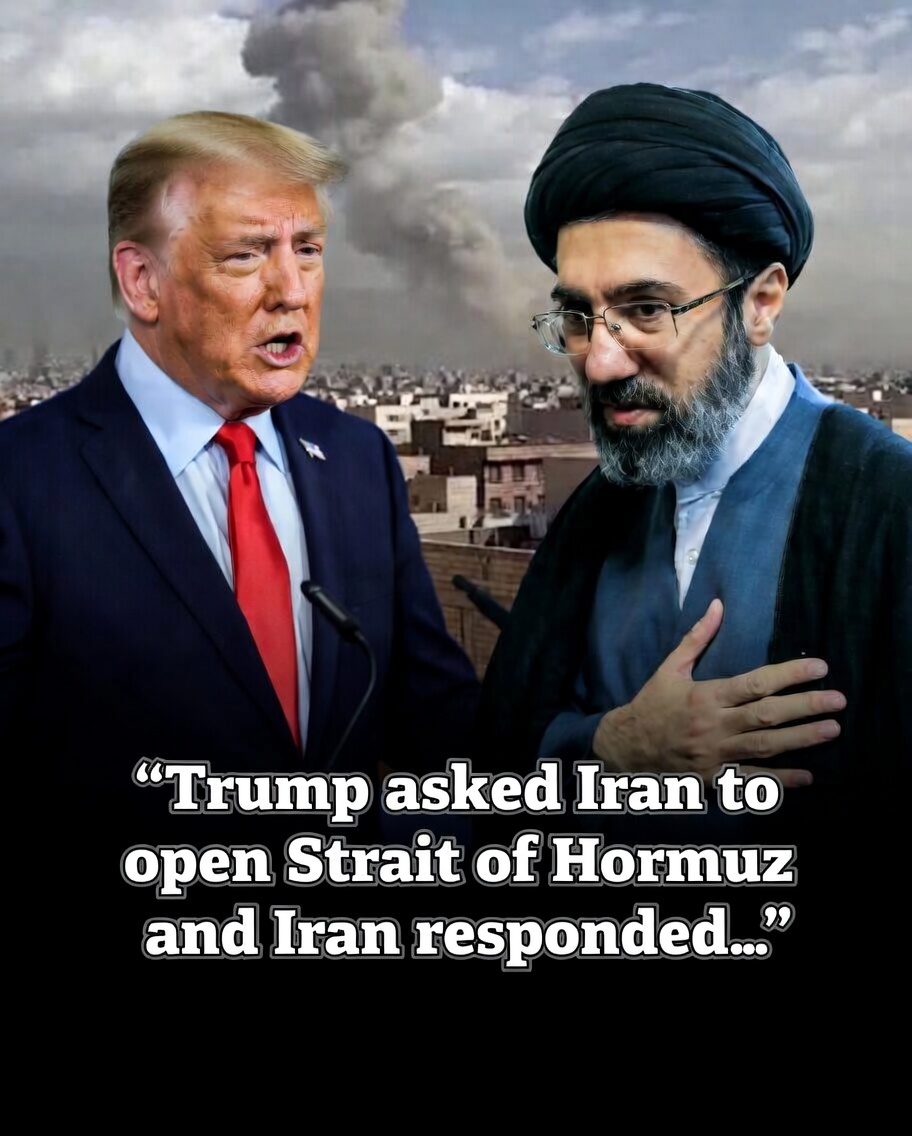
Iran will not reopen the Strait of Hormuz in exchange for a “temporary ceasefire,” a senior Iranian official told Reuters, underscoring Tehran’s firm stance amid escalating regional tensions. The official added that Iran views Washington as lacking the seriousness and commitment required to reach a lasting and permanent ceasefire, signaling deep skepticism toward current diplomatic efforts.
According to the official, Iran has received a proposal for an immediate ceasefire—reportedly mediated by Pakistan—but is still in the process of reviewing its terms. However, Tehran has made it clear that any agreement tied to reopening the strategically critical Strait of Hormuz must go beyond short-term arrangements. Iranian authorities have emphasized that they will not accept deals that they perceive as temporary or tactical pauses in fighting, especially if they do not guarantee long-term stability or address underlying conflicts.
The Strait of Hormuz, a narrow but vital waterway through which a significant portion of the world’s oil supply passes, has become a central pressure point in the ongoing crisis. Control over the strait gives Iran considerable geopolitical leverage, and its closure or restriction has already contributed to heightened volatility in global energy markets. Analysts warn that prolonged disruption could lead to rising oil prices, supply shortages, and broader economic consequences worldwide.
Iran’s refusal to link the reopening of the strait to a temporary ceasefire reflects a broader strategic calculation. Tehran appears to be seeking stronger guarantees, potentially including sanctions relief, security assurances, or recognition of its regional interests, before making concessions. By rejecting short-term proposals, Iranian officials are signaling that they are unwilling to negotiate under pressure or accept externally imposed deadlines.
The official also stressed that Iran does not respond well to ultimatums, particularly those accompanied by military threats or strict timelines. Recent statements from U.S. leadership, including warnings of potential consequences if the strait is not reopened quickly, have likely hardened Tehran’s position rather than encouraging compromise. Iranian leaders have repeatedly stated that negotiations conducted under threat are unacceptable and counterproductive.
Meanwhile, diplomatic efforts are continuing behind the scenes. Multiple countries, including regional intermediaries, are attempting to broker a phased agreement that could begin with a temporary ceasefire and eventually lead to a comprehensive peace deal. However, significant gaps remain between the positions of Iran and the United States, particularly regarding the scope and duration of any ceasefire, as well as broader issues such as military activity, sanctions, and nuclear policy.
The situation on the ground remains tense, with ongoing military actions and retaliatory threats contributing to uncertainty. The longer the stalemate continues, the greater the risk of further escalation, potentially drawing in additional regional actors and disrupting critical global trade routes.
In this context, Iran’s latest statement highlights both the fragility of current negotiations and the complexity of reaching a durable resolution. While Tehran has not ruled out diplomacy entirely, its refusal to accept a temporary ceasefire in exchange for reopening the Strait of Hormuz suggests that any breakthrough will require more comprehensive and mutually acceptable terms.