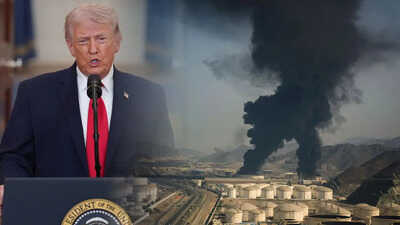
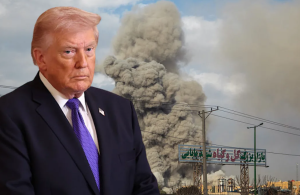
President Trump repeated his assertions Wednesday night that U.S. objectives are nearly met and that Iran’s offensive capabilities have been “essentially decimated” after more than a month of sustained conflict. In a nationally televised speech, he emphasized what he described as the success of U.S. and allied military operations, portraying them as having significantly weakened Iran’s ability to project power in the region. However, he offered no new details about what specific benchmarks define those objectives, nor did he clarify how close the administration believes it is to achieving a full resolution. He also did not outline any concrete plan to reopen the strategically critical Strait of Hormuz to oil tanker traffic, a disruption that continues to reverberate through global energy markets. Instead, he reiterated a commitment to continue U.S. airstrikes and military pressure on Iran for at least two to three more weeks, suggesting that further action is necessary to consolidate gains.
Investors took little reassurance from Mr. Trump’s remarks, reacting with renewed caution across financial markets. Oil prices surged again following the speech, extending a rally that has already pushed U.S. gasoline prices above an average of $4 a gallon nationwide. The spike has placed increasing strain on American consumers, particularly motorists, delivery drivers, and farmers who rely heavily on fuel. Analysts warn that the economic ripple effects are likely to intensify in the coming weeks, with higher transportation and production costs expected to drive up grocery prices and other everyday expenses. Some economists have also raised concerns about broader inflationary pressures and the potential for slowed economic growth if energy costs remain elevated.
Meanwhile, Iran’s military leadership sharply disputed Mr. Trump’s characterization of its capabilities, calling his assessment “incomplete” and misleading. In official statements, Iranian officials insisted that their forces remain operationally strong and capable of sustained retaliation. They warned of “more destructive” attacks targeting U.S. and allied interests across the Middle East, signaling that the conflict could escalate further rather than wind down. The exchange of rhetoric underscores the ongoing uncertainty surrounding the trajectory of the war, with both sides presenting starkly different narratives about the current balance of power and the likelihood of a near-term resolution.