
How Male Fertility Changes With Age: What Medical Science Really Shows
For a long time, male fertility has been surrounded by a simple assumption: men can have children at any age without meaningful biological consequences. While it is true that men often remain fertile much longer than women, modern medical research paints a more nuanced picture. Age does affect male reproductive health—sometimes in subtle ways that are easy to overlook.
Understanding these changes does not mean discouraging older men from becoming fathers. Instead, it allows for informed decisions, realistic expectations, and better health planning.
Fertility Does Not Disappear — It Evolves
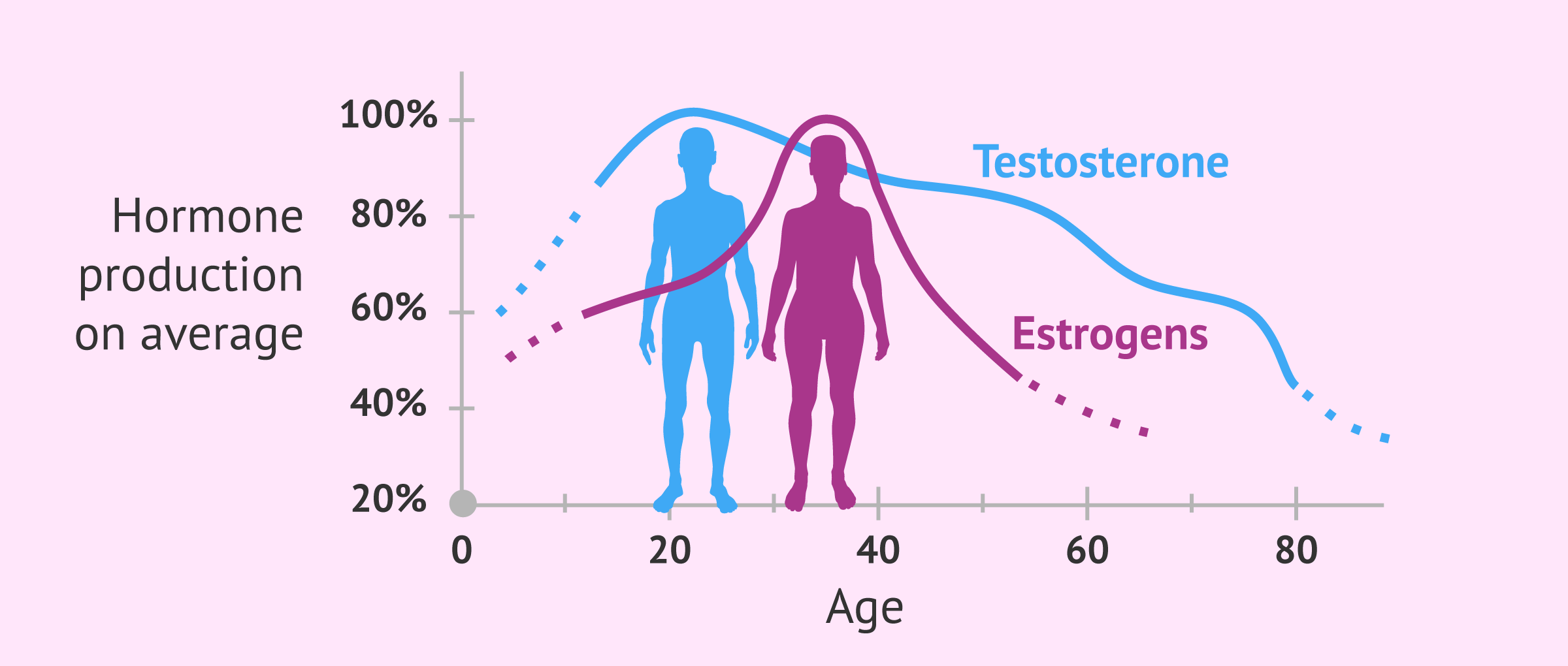
Unlike female fertility, which declines sharply after a certain age, male fertility typically changes gradually. Many men in their 40s, 50s, and even beyond are capable of fathering children. However, doctors emphasize that fertility is not just about the ability to conceive—it is also about sperm quality, genetic stability, and overall reproductive health.
From a medical standpoint, fertility involves multiple factors working together. Sperm count is only one piece of a much larger puzzle.
Sperm Count vs. Sperm Quality
One reason male aging effects are often underestimated is that sperm count can remain within normal ranges for many years. Standard fertility tests may show numbers that appear healthy, giving the impression that everything is unchanged.
However, urologists and reproductive specialists point out that quality matters just as much as quantity.
As men age, sperm may experience: